


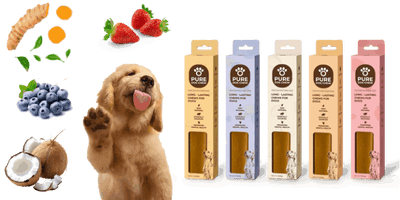

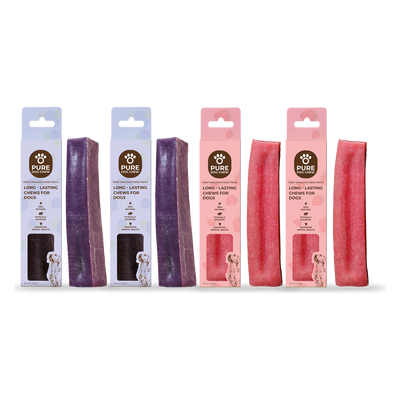

A useful yak-chew shelf display helps shoppers compare the individual stick size, number of pieces, ingredients and supervision directions on the actual package. Keep labels visible, use current product information and avoid promising that any chew is safe for every dog.
What should a shelf sign say?
Start with a short factual description that matches the pack. For example, “three sticks, 1 oz each” answers a different question from “3 oz total.” Display price and availability from your store's current records, and leave room for shoppers to inspect the manufacturer's complete label.
The FDA explains animal-food labeling, including ingredient declarations. A shelf sign is a shopping aid; it should not replace the original package or add unsupported claims.
Example: two Original formats
As examples of formats to distinguish, the Original 1 oz × 3 pack is listed as three 1 oz sticks, while the Original 5 oz chew is listed as one 5 oz stick. Both are dense, hard dairy chews recommended for dogs older than five months. Check the current package and supplier information before printing a sign.
Different stick sizes do not make a chew suitable for every dog. Mouth size, chewing behavior and dental condition matter. Weight guidance is a starting point, not a guarantee. AAHA cautions that hard chews, including yak milk chews, can fracture teeth. Advise customers to ask their veterinarian about suitability, supervise chewing and remove pieces small enough to swallow.
Five details to check before printing
- Confirm the exact product name, number of sticks, individual weight and total pack weight.
- Keep the ingredient list and feeding directions available; these cheese chews contain dairy.
- Use the manufacturer's current age, storage and supervision guidance without making it a universal safety promise.
- Make the shelf price and unit of sale clear, and update signs when offers change.
- Avoid unverified dental, digestive, calming or fixed-duration claims. A treat is not a substitute for dental care or veterinary advice.
How should staff respond to dietary questions?
If a customer mentions an allergy, food trial, prescription diet or dental concern, suggest checking the exact package with their veterinarian before adding a treat. The WSAVA treat guidance discusses individual suitability, portions and supervision. Do not assume that a flavor or size is safe for a restricted diet.
Keep packaging and stock information accessible
Follow package storage directions and keep lot and date information available for stock checks. The FDA's storage guidance explains why original packaging and lot information matter. For buying cases and checking supplier details, see our wholesale buyer checklist.
General educational information for retailers. The illustration was generated for this article and does not show actual packaging.


