

How to Help Your Dog Get Comfortable With Paw Handling
November 23, 2026 · Pure Dog Chew Team
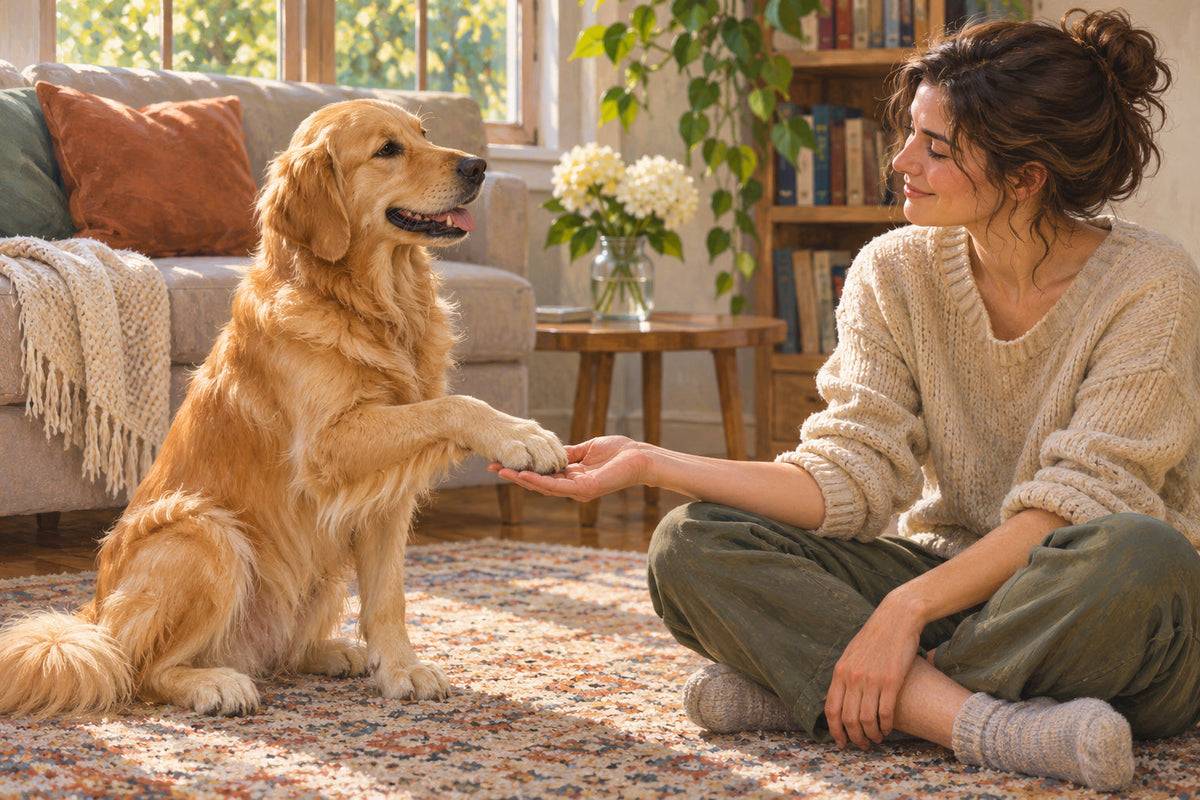
Help your dog get used to paw handling with brief, gentle practice and rewards, stopping whenever they move away or seem uncomfortable. Begin when your dog is relaxed. If a paw is painful, injured or suddenly sensitive, contact your veterinarian instead of practicing on it.
Why practice before you need it?
Some routine care and veterinary visits involve looking at or touching a dog's feet. Familiar, gradual handling can help prepare for those situations, but it does not replace an examination or guarantee a dog will accept one. The Dogs Trust handling guide recommends short sessions and stopping when a dog becomes uncomfortable.
How to start paw-handling practice
- Choose a quiet spot. Use a non-slip surface, and allow your dog to stand, sit or move away. Have a familiar reward ready.
- Begin away from the paw. If your dog enjoys gentle contact, briefly touch a comfortable area such as the shoulder, then remove your hand and offer a reward. If they move away, stop.
- Move gradually. Over separate sessions, work down the leg only as far as your dog stays comfortable. A brief touch can be enough for one session.
- Introduce the paw. When your dog is ready, lightly touch the outside of the paw and release. Reward and pause. Do not grip or pull it toward you.
- Let your dog set the pace. Only if the dog remains comfortable, you can gradually practice a brief voluntary paw rest in your open palm. Stop before they become worried and finish the session.
What rewards should I use?
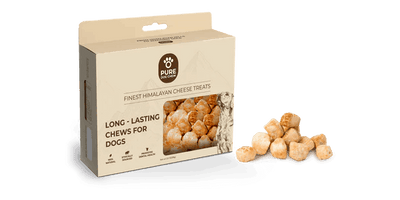
Choose a familiar reward your dog can eat comfortably or a non-food reward they enjoy. Our Puffed Himalayan Yak Cheese Dog Treats are crunchy, ready-to-serve dairy treats recommended for dogs older than five months. Offer an appropriate amount under supervision, provide water and count rewards in the daily diet. For a milk sensitivity, food trial or prescribed diet, ask your veterinarian before offering a new treat.
What if my dog pulls away or growls?
Stop and give them space. Do not restrain, punish or use food to draw them into handling they are trying to avoid. At a later session, return to an easier step if your dog is comfortable. If they are fearful, snap or show a sudden change in behavior, consult your veterinarian; pain can affect tolerance of handling, and a qualified reward-based behavior professional can help with a tailored plan.
Does this mean I can clip nails myself?
Not necessarily. Paw practice is separate from nail trimming. Ask your veterinarian or groomer to show you suitable tools and techniques for your dog; if the nails need attention now or your dog is painful, arrange professional help rather than waiting for training to be complete. For another gentle introduction, see our coat-brushing guide.
General educational information. Illustration created for this article and does not show a real product or veterinary procedure.


