

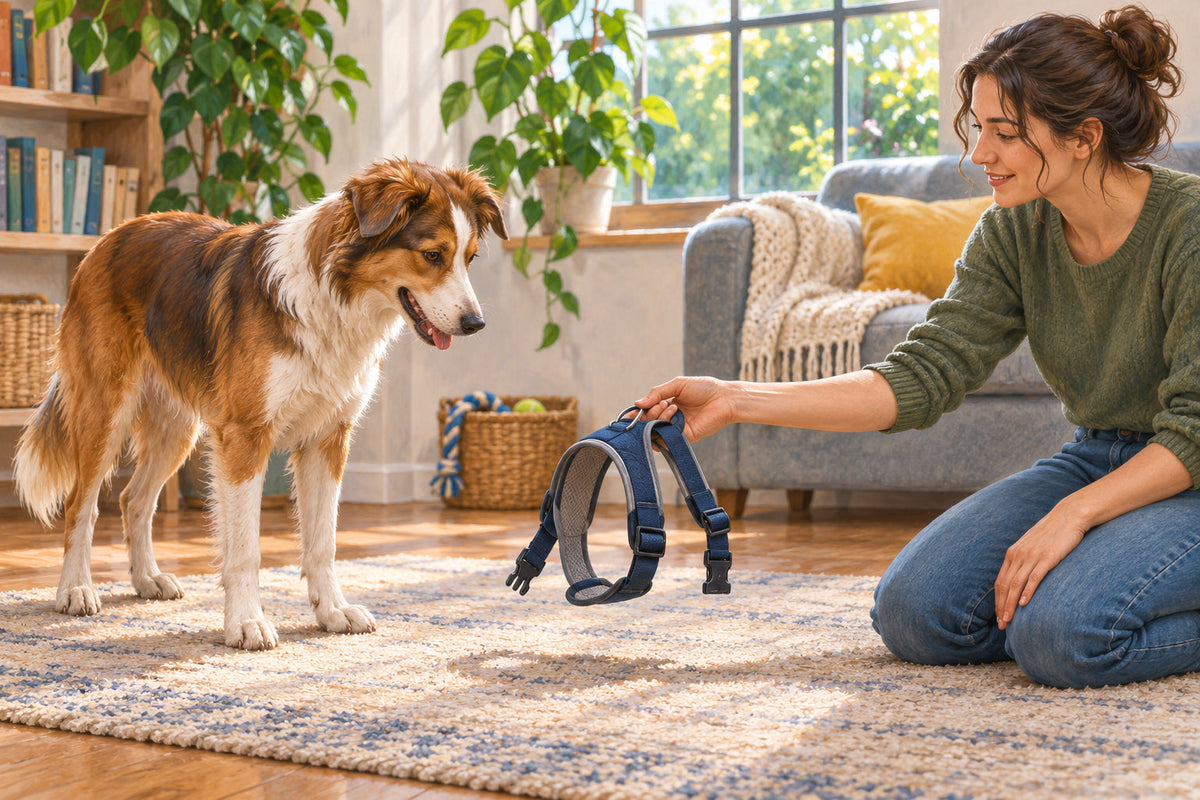
Introduce a harness slowly, letting your dog approach, move away and investigate at their own pace. Start in a quiet room, reward comfortable behavior and work in small steps. If your dog seems worried, pause and return to an easier step.
Choose a harness before you begin
Choose a design that fits securely without restricting movement, and follow the manufacturer's fitting instructions. A style that clips around the neck and body may be easier for a dog who is uncomfortable putting their head through an opening. Check straps and fastenings for wear. If you are unsure about fit or notice rubbing, ask your veterinarian or a qualified trainer for help.
How to introduce a dog to a harness
- Let your dog notice it. Place the harness on the floor in a quiet room. Allow your dog to investigate or move away. Offer a familiar reward nearby without making your dog approach.
- Pick it up. When your dog is comfortable, hold the harness low and still. Reward relaxed interest. If your dog moves away, lower it or end the session.
- Introduce each part gradually. For an over-the-head style, let your dog choose whether to move toward the opening. Do not pull it over their head or hold them in place. Practice the sound of a buckle separately if needed.
- Fasten briefly. When the previous steps are comfortable, gently fasten the harness, reward, and remove it. Build wearing time gradually while your dog moves naturally indoors.
- Practice movement. If your dog is comfortable, invite a few steps indoors, then practice in a secure area. Check the fit again as your dog moves. End before your dog becomes worried or frustrated.
The Dogs Trust harness-training guide describes the same gradual approach: if your dog retreats or struggles, go back a step. Progress can take multiple sessions; don't rush a dog who is uncomfortable with handling.
What rewards can I use?
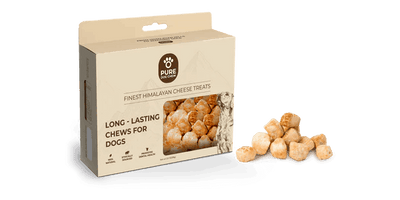
Use a small portion of a suitable familiar food or another reward your dog enjoys. Our Puffed Himalayan Yak Cheese Dog Treats are crunchy, ready-to-serve treats for supervised reward time. They contain dairy and are recommended for dogs older than five months. Choose a portion appropriate for your dog, provide water and count treats in the daily diet. If your dog has dietary restrictions, a milk sensitivity or a food trial, ask your veterinarian before offering a new treat.
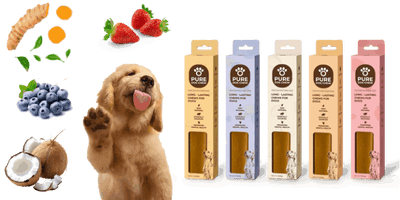
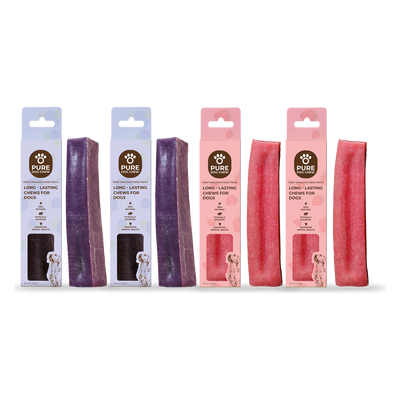
For households already looking for both reward treats and separate chew-time variety, the Flavored Favorites & Puffs Bundle includes Puffs and four flavored firm chews. A firm chew is for a separate supervised session, not a quick training reward. Hard chews can fracture teeth or break into pieces; ask your veterinarian if the texture, size and ingredients suit your dog. Check each package, and do not introduce the bundle during a restricted diet without veterinary approval.
What if my dog freezes or backs away?
Stop and give your dog space. Next time, move the harness farther away or return to letting them look at it on the floor. Avoid using food to draw a fearful dog closer than they would otherwise choose. If your dog is distressed, guards the harness, reacts to handling or has a sudden behavior change, contact your veterinarian; a qualified reward-based behavior professional can help with an individual plan.
Does wearing a harness stop pulling?
Not by itself. Harness introduction and loose-lead walking are separate skills. Use a secure lead and appropriate equipment outdoors, and practice in a low-distraction area. For another useful skill at home, see our doorway-wait guide.
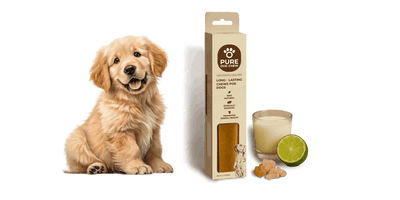
General education; dogs learn at different rates. Illustration generated for this article and does not depict an actual Pure Dog Chew product.


